What Makes a Great Workplace Leader? Skills That Drive Team Success
Workplaces need employees who are able to direct other employees toward achieving a specific goal. Good managers have many responsibilities beyond assigning work to their employees. These responsibilities include building trust among the employees in the organization, managing difficult situations, and assisting employees in growing as professionals. When there is strong leadership in an organization, it will make it much easier for the employees to remain focused on the objectives of the organization and ultimately achieve them.
Additionally, effective leadership in an organization will create a work environment in which employees feel valued as members of the organization and are willing to make contributions to the success of the organization. Effective leaders in an organization realize that each individual employee has unique abilities that contribute to the overall success of the organization. When employees receive proper direction from their leader(s) and are provided with opportunities to develop their skills, they will likely perform better in their job functions and develop better working relationships with one another.
The Skills Every Workplace Leader Needs
Great leaders have both personal and professional abilities. There are certain things that will help them guide their teams.
- Communication: Share clear instructions and listen to employee concerns.
- Problem-solving: Find practical answers when issues arise.
- Emotional intelligence: Understand how others feel and respond with care.
- Decision-making: Make fair choices that support team goals.
- Accountability: Take responsibility and set a good example.
These skills help managers earn respect and keep work on track.
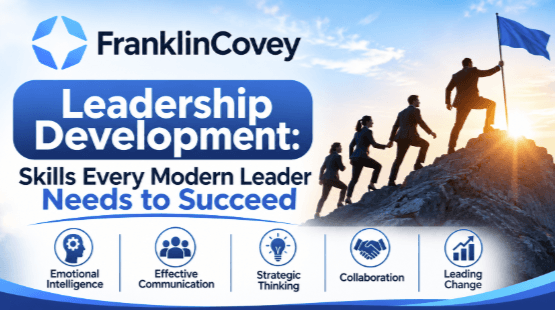
See also: Leadership Development: Skills Every Modern Leader Needs to Succeed
How to Build Better Leadership Habits
To develop essential skills for strong workplace leadership takes both time and effort. As a manager, you can begin to acquire these skills through seeking employee input and utilizing everyday obstacles as opportunities to learn. It is important to provide your employees with a space where they can contribute new ideas and feel accountable for the tasks that they perform.
Regularly held team meetings may identify potential issues early on. Setting clear objectives makes tracking your team’s success easier and allows all members of the group to stay focused on achieving those objectives.
Make Leadership a Daily Practice
Strong leaders develop through continuous practice. Managers who have an openness to continuous education will enhance their ability to lead and provide support to their team. In addition, managers should acknowledge accomplishments of their team members and provide assistance to team members in the event that they experience a setback.
By developing an understanding of team concerns, managers will be able to make informed decisions and stop minor problems from escalating. Finally, managers should model the behavior of being a positive example to their team members through demonstrating fairness, honesty, and maintaining composure during stressful events.
When leaders prioritize their employees, they build stronger teams with improved communication that lead to long-term business success.